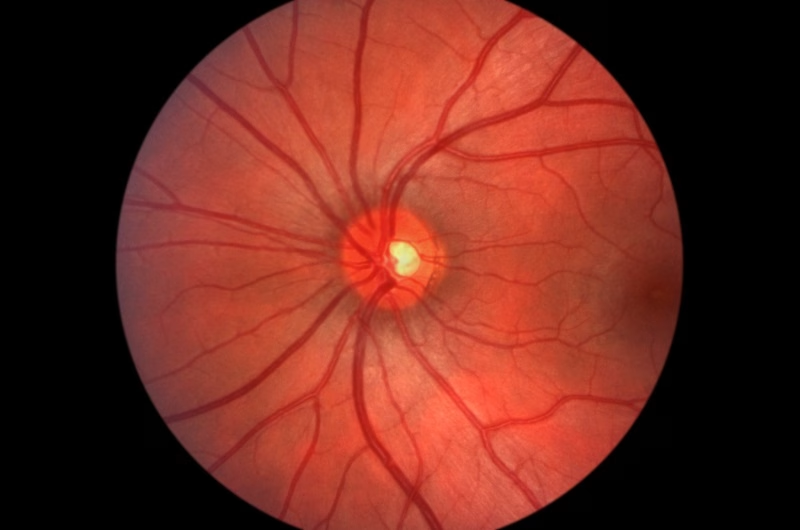
Glaucoma Exams in Saratoga Springs, NY
Glaucoma is one of the leading causes of irreversible blindness in the world — yet most people with early glaucoma have no symptoms at all. That is why routine screening at Saratoga Vision in Saratoga Springs, NY is so important. Our experienced optometrists use advanced diagnostic technology to detect elevated intraocular pressure, optic nerve damage, and vision field changes before significant loss occurs. Early detection saves vision. Call (518) 587-5900 to schedule your glaucoma evaluation today.
Book OnlineWhat Is Glaucoma?
Glaucoma is a group of eye conditions that damage the optic nerve — the critical pathway that transmits visual information from the eye to the brain. The most common type, primary open-angle glaucoma, occurs when the eye’s drainage system becomes gradually less efficient, causing intraocular pressure (IOP) to rise. Over time, this elevated pressure damages the optic nerve fibers, resulting in progressive and irreversible peripheral vision loss. Left untreated, glaucoma can lead to complete blindness.
What makes glaucoma particularly dangerous is that it typically develops slowly and silently. Most patients experience no pain, redness, or noticeable change in vision until significant damage has already occurred. This is why glaucoma is often called the “silent thief of sight.” The only reliable way to detect it in its early stages is through a comprehensive eye exam that includes specific glaucoma screening tests.
Types of Glaucoma
There are several types of glaucoma that our optometrists at Saratoga Vision screen for and monitor:
- Primary Open-Angle Glaucoma: The most common form. Develops gradually when the eye’s drainage canals become clogged over time, causing pressure to build. Often asymptomatic until advanced stages.
- Angle-Closure Glaucoma: Occurs when the iris bulges forward, narrowing or blocking the drainage angle. Can cause sudden, severe symptoms including eye pain, headache, nausea, and blurred vision — this is a medical emergency.
- Normal-Tension Glaucoma: A form where the optic nerve is damaged even though eye pressure remains within the normal range. Thought to be related to poor blood flow to the optic nerve.
- Secondary Glaucoma: Elevated eye pressure and optic nerve damage caused by an underlying condition such as eye injury, inflammation, or certain medications (e.g., steroid use).
- Congenital / Infantile Glaucoma: Present at birth or developing in early childhood, typically due to abnormal development of the eye’s drainage system.
Who Is at Risk for Glaucoma?
While glaucoma can affect anyone, certain factors increase your risk significantly. You should be screened regularly for glaucoma if you:
- Are over the age of 60
- Have a family history of glaucoma (especially in a parent or sibling)
- Are of African American, Hispanic, or Asian descent (higher risk populations)
- Have elevated intraocular pressure (ocular hypertension)
- Have thin corneas
- Have had prior eye injuries or surgeries
- Are diabetic or have high blood pressure
- Use corticosteroid eye drops or oral steroids long-term
- Are highly myopic (nearsighted)
Even if you have no risk factors, routine glaucoma screening as part of your comprehensive eye exam is recommended for all adults beginning at age 40.
Glaucoma Screening and Diagnosis at Saratoga Vision
At Saratoga Vision, our glaucoma evaluation includes a series of diagnostic tests to assess your risk and detect any signs of optic nerve damage:
- Tonometry: Measurement of intraocular pressure (IOP) — the primary screening tool for glaucoma
- Ophthalmoscopy: Detailed examination of the optic nerve head for signs of cupping or damage
- Visual Field Testing: Assessment of your peripheral vision to detect any areas of vision loss
- Pachymetry: Measurement of corneal thickness, which affects how we interpret pressure readings
- Optomap Retinal Imaging: Ultra-wide digital imaging of the retina and optic nerve for detailed evaluation — learn more about our Optomap digital retina imaging services
Glaucoma Treatment and Management
While there is currently no cure for glaucoma, early treatment can effectively slow or halt the progression of the disease and preserve your remaining vision. Treatment options include:
- Prescription Eye Drops: The most common first-line treatment. Medicated drops reduce intraocular pressure either by decreasing fluid production or improving drainage within the eye.
- Oral Medications: In some cases, oral carbonic anhydrase inhibitors are used to reduce IOP when drops are insufficient.
- Laser Therapy: Procedures such as Selective Laser Trabeculoplasty (SLT) improve the drainage angle to reduce pressure. This may be performed by an ophthalmologist through a co-management arrangement.
- Surgery: For advanced cases that do not respond to medications or laser, surgical procedures such as trabeculectomy or drainage implants may be recommended. We will coordinate referrals to a trusted ophthalmologist when surgical intervention is needed.
Once diagnosed with glaucoma, regular monitoring visits are essential. Our team at Saratoga Vision will establish a monitoring schedule tailored to your level of risk and the progression of your condition. Call (518) 587-5900 to discuss your glaucoma care needs with our team.
Frequently Asked Questions About Glaucoma
What are the warning signs of glaucoma?
The most insidious aspect of glaucoma — particularly open-angle glaucoma — is that it typically has no warning signs in its early stages. Vision loss from glaucoma begins in the peripheral (side) vision and progresses very slowly, often going unnoticed until significant damage has occurred. Acute angle-closure glaucoma, however, can cause sudden eye pain, headaches, nausea, halos around lights, and blurred vision — and requires immediate emergency care. The best way to detect glaucoma early is through routine eye exams at Saratoga Vision.
How is glaucoma diagnosed?
Glaucoma is diagnosed through a series of tests during a comprehensive eye exam. At Saratoga Vision, we measure intraocular pressure, examine the optic nerve, assess peripheral vision, measure corneal thickness, and use digital retinal imaging to evaluate your eye health. No single test alone confirms a diagnosis — our doctors review all findings together to make an accurate assessment. If you have risk factors, we may recommend more frequent monitoring.
Can glaucoma be cured?
There is currently no cure for glaucoma, and vision lost from the disease cannot be restored. However, with early detection and consistent treatment, it is entirely possible to slow or stop the progression of glaucoma and protect your remaining vision for life. This is why regular screening at Saratoga Vision is so critical — catching glaucoma early gives you the best possible chance of preserving your sight. Call us at (518) 587-5900 to schedule your evaluation.
Who is most at risk for developing glaucoma?
People over 60, those with a family history of glaucoma, individuals of African American, Hispanic, or Asian descent, patients with elevated eye pressure, thin corneas, diabetes, or high blood pressure are at elevated risk. However, glaucoma can occur in anyone, including young adults. All adults should begin routine glaucoma screening by age 40 as part of their annual eye exam.
Is glaucoma treatment lifelong?
Yes, for most patients glaucoma requires lifelong management. Once diagnosed, you will need to continue prescribed treatments — whether eye drops, oral medications, or follow-up laser or surgical interventions — and attend regular monitoring appointments to ensure the disease is under control. Our team at Saratoga Vision will partner with you over the long term to monitor your eye pressure and optic nerve health, adjusting your treatment plan as needed.
Can glaucoma be prevented?
While glaucoma itself cannot always be prevented, you can significantly reduce the risk of severe vision loss by detecting it early through regular eye exams. Maintaining a healthy lifestyle — including regular exercise and monitoring blood pressure and blood sugar — may also support healthy intraocular pressure. Patients who are prescribed eye drops for glaucoma should use them consistently as directed, as missing doses can allow pressure to rise and damage to progress.
Does glaucoma cause total blindness?
Untreated or inadequately managed glaucoma can lead to complete blindness over time. However, with proper care, the vast majority of glaucoma patients are able to maintain functional vision throughout their lives. The key is early detection and consistent treatment. At Saratoga Vision, we work closely with our glaucoma patients to monitor their condition and ensure their vision remains protected. Contact us at (518) 587-5900 to learn more about our glaucoma management approach.