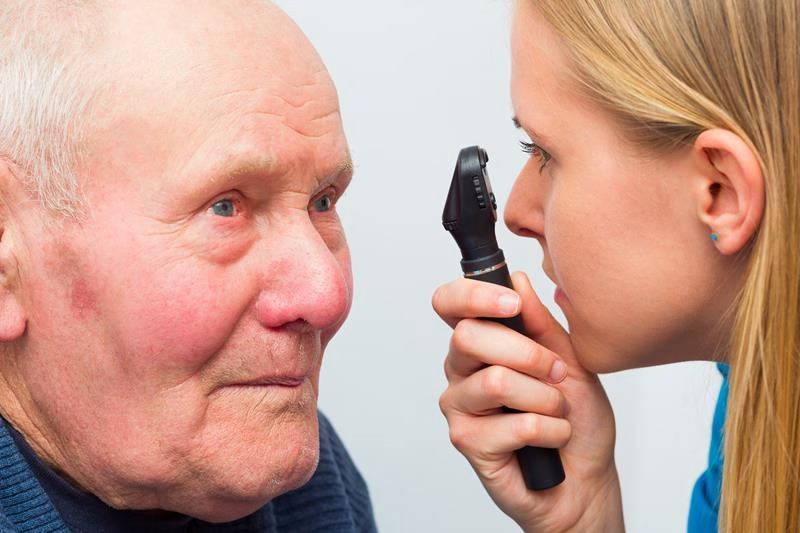
Diabetic Eye Exams in Saratoga Springs, NY
Diabetes is one of the most significant threats to vision health in the United States — but with annual diabetic eye exams, vision loss from diabetes-related complications is largely preventable. At Saratoga Vision in Saratoga Springs, NY, our experienced optometrists provide thorough diabetic eye evaluations to detect and monitor diabetic retinopathy, macular edema, and other diabetes-related ocular changes before they affect your sight. Call (518) 587-5900 to schedule your diabetic eye exam today.
Book OnlineWhy Diabetic Eye Exams Are Critical
Diabetes affects the blood vessels throughout the body — including the tiny, delicate vessels that supply the retina. High blood glucose levels over time weaken vessel walls, leading to leakage, abnormal vessel growth, and ultimately retinal damage. This process, known as diabetic retinopathy, is the leading cause of new-onset blindness in working-age adults in the United States.
What makes diabetic retinopathy particularly dangerous is that it has no symptoms in its early stages. Patients often have no idea that their retinas are being damaged until the condition has advanced significantly. By the time vision changes become noticeable, irreversible damage may have already occurred. Annual diabetic eye exams at Saratoga Vision are the most reliable way to catch retinal changes before they threaten your vision.
Understanding Diabetic Retinopathy
Diabetic retinopathy progresses through distinct stages:
Non-Proliferative Diabetic Retinopathy (NPDR)
This is the early stage of diabetic retinopathy. The blood vessel walls weaken and begin to develop small bulges called microaneurysms, which can leak tiny amounts of blood, fat deposits (exudates), and fluid into the retinal tissue. At this stage, vision may not yet be affected. Our optometrists at Saratoga Vision use dilated fundus examination and digital retinal imaging to detect these early changes.
Diabetic Macular Edema (DME)
When fluid leakage from damaged vessels reaches the macula — the central area of the retina responsible for detailed vision — it causes swelling called macular edema. DME is the most common cause of vision loss in diabetic patients and can occur at any stage of retinopathy. It causes blurry or distorted central vision that can be permanent if untreated.
Proliferative Diabetic Retinopathy (PDR)
In advanced stages, the retina responds to oxygen deprivation by triggering the growth of new, abnormal blood vessels (neovascularization). These fragile vessels bleed easily, causing vitreous hemorrhages, tractional retinal detachment, and severe vision loss. PDR requires urgent treatment by a retinal specialist. Our team at Saratoga Vision will coordinate a prompt referral if PDR is detected.
Other Diabetes-Related Eye Conditions
In addition to retinopathy, patients with diabetes are at significantly elevated risk for several other eye conditions:
- Cataracts: Diabetes accelerates lens clouding — diabetics develop cataracts at a younger age and more rapidly than non-diabetics
- Glaucoma: Diabetics have approximately twice the risk of developing open-angle glaucoma compared to the general population
- Dry Eye: Diabetic neuropathy affecting corneal nerves contributes to reduced blink reflex and worsened dry eye disease
- Fluctuating Vision: Changes in blood glucose levels cause the lens to swell and shrink, producing temporary shifts in vision clarity and prescription
What to Expect at Your Diabetic Eye Exam
A diabetic eye exam at Saratoga Vision is more comprehensive than a routine vision screening. Your exam includes:
- Review of your diabetes history, blood glucose control, and current medications
- Best-corrected visual acuity assessment
- Dilated fundus examination — dilation is typically required for a thorough retinal evaluation
- Optomap ultra-widefield digital retinal imaging for detailed documentation and comparison over time — learn more about our retinal imaging services
- Intraocular pressure measurement to screen for glaucoma
- Evaluation of the lens for cataract changes
- Assessment of the cornea and anterior segment
Following your exam, we will discuss our findings with you in detail and provide a report to your primary care physician or endocrinologist. If diabetic changes are detected, we will establish an appropriate monitoring schedule and coordinate specialist referrals if needed. The American Diabetes Association recommends annual dilated eye exams for all patients with diabetes — call (518) 587-5900 to schedule yours today.
Frequently Asked Questions About Diabetic Eye Exams
Why do people with diabetes need annual eye exams?
Diabetes damages the blood vessels throughout the body, including those supplying the retina. This causes diabetic retinopathy — the leading cause of blindness in working-age adults — which has no symptoms in its early stages. Annual diabetic eye exams at Saratoga Vision allow our optometrists to detect retinal changes early, when treatment is most effective and vision-threatening complications can still be prevented or slowed. Even if your vision seems fine, a diabetic eye exam is essential every year.
What is diabetic retinopathy?
Diabetic retinopathy is a diabetes complication that damages the retina’s blood vessels. In the early stage (non-proliferative), vessel walls weaken and leak fluid and blood into the retina. In advanced stages (proliferative), abnormal new vessels grow and can bleed into the vitreous or cause retinal detachment, resulting in severe vision loss. Diabetic macular edema — swelling of the central retina — can occur at any stage and is the most common cause of diabetes-related vision loss.
Can diabetic retinopathy be treated?
Yes, though the available treatments depend on the stage of the condition. Early non-proliferative retinopathy is managed through careful blood glucose control and regular monitoring. Diabetic macular edema may be treated with anti-VEGF injections, laser therapy, or corticosteroid implants administered by a retinal specialist. Advanced proliferative retinopathy is treated with laser photocoagulation or vitrectomy surgery. Our team at Saratoga Vision will coordinate referrals to the appropriate specialist when treatment is needed.
My vision seems fine. Do I still need a diabetic eye exam?
Absolutely. This is one of the most important things to understand about diabetic retinopathy — early-stage disease causes no symptoms whatsoever. By the time vision changes are noticeable, significant and potentially irreversible damage may have already occurred. Many patients are shocked to learn they have advanced retinopathy despite having no vision complaints. Annual exams at Saratoga Vision are the only reliable way to detect damage before it affects your sight. Call (518) 587-5900 today to schedule.
Does better blood sugar control reduce the risk of diabetic eye disease?
Yes — significantly. Research has consistently shown that maintaining blood glucose levels within your target range dramatically reduces the risk of developing diabetic retinopathy and slows its progression in patients who already have early changes. Along with blood pressure and cholesterol management, glycemic control is the most powerful tool available for protecting diabetic eye health. Our team at Saratoga Vision will document your eye health findings for your diabetes care team so all providers can work together on your long-term wellness.
How is a diabetic eye exam different from a regular eye exam?
A diabetic eye exam is more focused on the health of the retinal vasculature than a routine vision check. It requires dilation to allow a thorough view of the retina, optic nerve, and macula. We use Optomap ultra-widefield digital retinal imaging to capture detailed, documentable images of the entire retina for comparison over time — something a brief vision screening cannot provide. We also screen for diabetes-related changes in the lens, intraocular pressure, and corneal nerve health.
Are people with prediabetes also at risk for diabetic eye disease?
Yes. Individuals with prediabetes — blood glucose levels that are elevated but not yet in the diabetic range — can develop early microvascular changes in the retina. This is why it is important for anyone with prediabetes, insulin resistance, or a strong family history of Type 2 diabetes to discuss their risk with both their physician and their optometrist. Our team at Saratoga Vision will document any retinal findings and communicate them to your healthcare team as part of your comprehensive care. Call (518) 587-5900 to schedule your evaluation.